By create_admin
Why Wood Selection Matters More Than Most People Think
Beginners usually focus on tools when problems arise — rough surfaces, uneven cuts, joints that won’t sit flush. But the real issue is often the wood. Every board behaves differently, even if it looks similar. Wood expands, contracts, twists, dents, and reacts to humidity. Choosing the right species reduces headaches before you ever pick up a saw.
At TruGrain Workshop, we help woodworkers understand wood first. Tools come second.
Start With Softwoods: Affordable and forgiving
Softwoods grow faster and cost less, which makes them ideal for learning.
Pine
Pine is the beginner’s friend.
Pros:
- Cheap
- Easy to cut and sand
- Widely available
Cons:
- Dents easily
- Can be knotty
- Stains unevenly unless pre-treated
Best for: shelves, wall décor, practice joinery, shop projects.
Cedar
Cedar’s natural aroma and rot resistance make it great for outdoor projects or storage furniture.
Best for: planter boxes, outdoor furniture, closet projects.
Fir
Stronger and straighter than pine, fir is technically a softwood but behaves more like a hardwood.
Best for: workbenches, structural frames, utility furniture.
Hardwoods: When You Want Long-Lasting, High-Quality Results
Hardwoods grow slower, are denser, and often have beautiful grain patterns. They cost more, but they’re worth the upgrade when you want durability.
Oak
Oak is tough, stable, and visually striking.
Pros:
- Takes stain well
- Very strong
- Highly durable
Cons:
- Heavy
- Can blunt tools faster
Best for: dining tables, chairs, cabinets.
Maple
Maple is smooth, clean-looking, and ideal for surfaces that take abuse.
Best for: cutting boards, countertops, tabletops.
Walnut
Walnut is prized for its rich brown color and workable grain.
Best for: premium furniture, boxes, decorative pieces.
Engineered Woods: Great for Cabinets and Panels
Engineered woods solve problems that solid wood can’t.
Plywood
Plywood’s layered construction prevents warping.
Use it for:
- Cabinets
- Shop furniture
- Wall panels
Choose Baltic birch plywood for top-tier quality.
MDF (Medium-Density Fiberboard)
Smooth and perfect for painted finishes.
Avoid it for:
- Projects that need durability
- Anything exposed to moisture
OSB (Oriented Strand Board)
Budget-friendly and strong enough for construction uses.
Not ideal for decorative woodworking.
Moisture Content: The Hidden Problem That Ruins Projects
Wood moves. If it shrinks after assembly, gaps appear. If it expands, joints fail.
Ideal moisture content for indoor furniture: 6–8%
When you bring wood home, let it acclimate to your workshop for a few days. Use a moisture meter for best results.
Grain Direction and Stability
Pay attention to grain when choosing boards:
- Quarter-sawn wood moves less
- Flat-sawn wood is cheaper but expands more
- Straight grain is more stable and predictable
Boards with wild grain may look beautiful but are harder for beginners to work.
Knots, Checks, and Defects: What to Avoid
When buying lumber:
- Avoid boards with knots near edges or ends
- Watch for cracks (called checks)
- Avoid boards twisted or cupped
- Look down the board’s length to spot warping
Good boards save time and money.
Choosing Wood Based on Project Type
Here’s a quick guide:
| Project Type | Best Wood Choices |
|---|---|
| Shelving | Pine, fir, oak |
| Cutting boards | Maple, walnut |
| Tables | Oak, walnut, maple |
| Cabinets | Birch plywood |
| Outdoor furniture | Cedar, treated lumber |
How Budget Affects Wood Choice
For beginners, lumber cost matters. You can save money by:
- Practicing cuts on cheap pine
- Using plywood for carcases and hardwood only for faces
- Choosing shorter boards (they’re cheaper per foot)
- Buying rough-sawn lumber and milling it yourself later
Final Thoughts
Choosing the right wood sets your project up for success. Whether you’re building shelves or a dining table, understanding species, moisture content, and grain helps you avoid problems and produce results you’re proud of.

K&N Oil Filter: 20,000 Mile Engine Protection with Wrench Off Nut, HP-1004 | Compatible with Select 1988-2026 HYUNDAI/KIA/SUBARU/HONDA Vehicle Models (See Product Description for Select Models)
$15.99 (as of October 25, 2026 12:22 GMT +00:00 - More infoProduct prices and availability are accurate as of the date/time indicated and are subject to change. Any price and availability information displayed on [relevant Amazon Site(s), as applicable] at the time of purchase will apply to the purchase of this product.)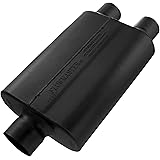
Flowmaster 40 Series Chambered Muffler – 3.00" Center In / 2.50" Dual Out | Original 40 Series, aggressive sound, 16-gauge aluminized steel, for muscle cars, street rods, trucks, and SUVs (430402)
$101.95 (as of October 25, 2026 12:22 GMT +00:00 - More infoProduct prices and availability are accurate as of the date/time indicated and are subject to change. Any price and availability information displayed on [relevant Amazon Site(s), as applicable] at the time of purchase will apply to the purchase of this product.)
Holley 135-10 Carburetor Diaphragm
$16.93 (as of October 25, 2026 12:22 GMT +00:00 - More infoProduct prices and availability are accurate as of the date/time indicated and are subject to change. Any price and availability information displayed on [relevant Amazon Site(s), as applicable] at the time of purchase will apply to the purchase of this product.)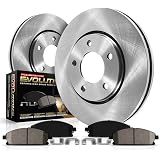
PowerStop Z17 Replacement Brake Pad & Rotor Kit Rear KOE206 | Honda CR-V, Acura RDX Ceramic Brake Pads + Disc Rotors
$94.32 (as of October 25, 2026 12:22 GMT +00:00 - More infoProduct prices and availability are accurate as of the date/time indicated and are subject to change. Any price and availability information displayed on [relevant Amazon Site(s), as applicable] at the time of purchase will apply to the purchase of this product.)
PowerStop Z17 Replacement Brake Pad & Rotor Kit Front KOE1043 | Honda CR-V, Honda Accord, Civic Ceramic Brake Pads + Disc Rotors
$95.99 (as of October 25, 2026 12:22 GMT +00:00 - More infoProduct prices and availability are accurate as of the date/time indicated and are subject to change. Any price and availability information displayed on [relevant Amazon Site(s), as applicable] at the time of purchase will apply to the purchase of this product.)
CTEK (56-304) Comfort Connect Extension Cable, 8.2 Feet
$27.15 (as of October 25, 2026 12:22 GMT +00:00 - More infoProduct prices and availability are accurate as of the date/time indicated and are subject to change. Any price and availability information displayed on [relevant Amazon Site(s), as applicable] at the time of purchase will apply to the purchase of this product.)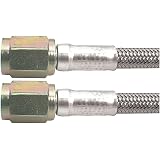
Allstar Performance AN Hose Assembly, 18 in Long, 3 AN Hose, 3 AN Straight Female to 3 AN Straight Female, Braided Stainless, PTFE Lined, Each
$12.99 (as of October 25, 2026 12:22 GMT +00:00 - More infoProduct prices and availability are accurate as of the date/time indicated and are subject to change. Any price and availability information displayed on [relevant Amazon Site(s), as applicable] at the time of purchase will apply to the purchase of this product.)