By create_admin
Start Your Woodworking Journey With the Right Tools
At TruGrain Workshop, we encourage beginners to build skills before building collections. You don’t need a fully stocked shop, a cabinet saw, or a wall full of routers to start making real projects. The truth is that most early failures in woodworking come from either dull tools or the wrong tools for the task — not from lack of talent.
This guide breaks down the tools that actually matter, why they matter, and how they help you grow confidence without overspending.
Hand Tools: The Foundation of Every Woodworker’s Skillset
You’ll hear experienced woodworkers say, “You can do almost anything with hand tools.” They’re right. Hand tools teach control, accuracy, and proper technique. Before you rely on power tools, these essentials will build your foundation.
1. A Reliable Tape Measure
You’ll use this constantly. A tape measure should be easy to read, durable, and have enough standout to measure long boards without bending.
What to look for:
- Clear fractional markings
- Comfortable grip
- A strong hook that doesn’t loosen over time
Recommendation: Stanley PowerLock 25’
2. Combination Square
A combination square helps with marking 90° and 45° lines, checking boards for squareness, and confirming joinery accuracy.
Why beginners need it: Without a square, everything from shelves to frames ends up crooked.
Recommendation: Swanson 12” Combo Square
3. Chisels
Good chisels aren’t about force; they’re about precision. You’ll use them to clean up joints, pare edges, and adjust tight fits.
Tip: Buy a honing guide early. It will teach you how to sharpen correctly.
Recommendation: Narex Richter Chisel Set
4. A No. 4 Smoothing Plane
Planes intimidate beginners, but once you learn to use one, you’ll reach for it constantly. A No. 4 smoothing plane is ideal for flattening boards, removing mill marks, and correcting mistakes without dust everywhere.
Recommendation: WoodRiver No. 4
5. Marking Knife
Pencils wander. Marking knives don’t. A marking knife creates crisp layout lines that improve joinery accuracy dramatically.
Recommendation: Crown Tools Marking Knife
Power Tools a New Woodworker Actually Needs
You’ll hear endless debates about which power tools are “must-haves,” but for a beginner, the goal is to do more with less. These three tools give you the most capability per dollar.
1. Circular Saw
A good circular saw paired with a straightedge guide can replace a table saw early in your journey. You can break down plywood, rip boards, and crosscut lumber cleanly with practice.
Recommendation: Makita 5007Mg
2. Random Orbital Sander
Sanding by hand teaches finesse, but a random orbital sander saves time and produces consistent, swirl-free surfaces.
Look for:
- Variable speed
- Good dust collection
- Comfortable grip
Recommendation: Bosch ROS20VSC
3. Cordless Drill/Driver
This tool sees constant use — drilling holes, driving screws, assembling jigs, and more.
Recommendation: DeWalt 20V MAX Drill/Driver
Safety Gear: Invest in It Early
Woodworking creates dust, noise, and flying debris. You don’t need expensive safety gear — you just need gear you’ll actually wear.
Essentials:
- ANSI-rated safety glasses
- Ear protection (earmuffs or plugs)
- N95 mask or a half-mask respirator
- Work gloves for handling rough lumber
A safe woodworker is a confident woodworker, and confidence leads to better work.
Optional Tools That Speed Up Growth
As you build more projects, you’ll naturally want a few upgrades.
1. Jigsaw
Great for curves, notches, and rough cuts.
2. Router
Allows for decorative edges, dados, rabbets, and joinery.
3. Compact Workbench
A stable work surface makes everything easier.
Choosing the Right Tools for Your First Projects
Instead of buying everything at once, build your tool set around the projects you want to make.
For example:
- Shelves → circular saw + drill + sander
- Cutting boards → clamps + sander + hand plane
- Small furniture → square + chisels + drill + circular saw
This targeted approach prevents the “buy everything, use nothing” trap.
Beginner Mistakes to Avoid
1. Buying cheap tools that won’t hold an edge
Dull blades cause accidents and poor results.
2. Buying too many tools too fast
Master the basics first.
3. Ignoring sharpening
A sharp chisel or plane outperforms any power tool on the wrong setting.
4. Building without a plan
A measured drawing saves lumber and frustration.
Final Thoughts
The tools listed here give you everything you need to start woodworking confidently and safely. At TruGrain Workshop, we believe a beginner’s shop should grow with real skills, not impulse buys. Start with solid fundamentals, invest in tools that improve your accuracy, and let your future projects guide your next purchases.
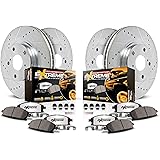
PowerStop Z36 Truck & Tow Brake Pad & Rotor Kit Front & Rear K6560-36 | Chevy Silverado 1500, Chevy Tahoe, GMC Yukon Carbon Fiber Ceramic Brake Pads + Drilled & Slotted Rotors
$439.77 (as of October 25, 2026 12:22 GMT +00:00 - More infoProduct prices and availability are accurate as of the date/time indicated and are subject to change. Any price and availability information displayed on [relevant Amazon Site(s), as applicable] at the time of purchase will apply to the purchase of this product.)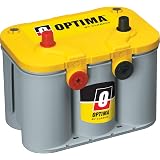
OPTIMA® Batteries High Performance D34/78 YELLOWTOP® Sealed AGM Battery | Dual Purpose Car, Truck and SUV Battery, 750 CCA, Dual Terminal, Maintenance Free, Versatile Mounting
$319.99 (as of October 25, 2026 12:22 GMT +00:00 - More infoProduct prices and availability are accurate as of the date/time indicated and are subject to change. Any price and availability information displayed on [relevant Amazon Site(s), as applicable] at the time of purchase will apply to the purchase of this product.)
K&N Oil Filter: 20,000 Mile Engine Protection with Wrench Off Nut, HP-1004 | Compatible with Select 1988-2026 HYUNDAI/KIA/SUBARU/HONDA Vehicle Models (See Product Description for Select Models)
$15.99 (as of October 25, 2026 12:22 GMT +00:00 - More infoProduct prices and availability are accurate as of the date/time indicated and are subject to change. Any price and availability information displayed on [relevant Amazon Site(s), as applicable] at the time of purchase will apply to the purchase of this product.)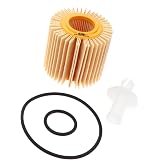
WIX 57047 Oil Filter Replacement, Built for Synthetic and High Mileage Oil - Compatible with Various Toyota, Lexus (05-19)
$13.81 (as of October 25, 2026 12:22 GMT +00:00 - More infoProduct prices and availability are accurate as of the date/time indicated and are subject to change. Any price and availability information displayed on [relevant Amazon Site(s), as applicable] at the time of purchase will apply to the purchase of this product.)
Holley 135-10 Carburetor Diaphragm
$16.93 (as of October 25, 2026 12:22 GMT +00:00 - More infoProduct prices and availability are accurate as of the date/time indicated and are subject to change. Any price and availability information displayed on [relevant Amazon Site(s), as applicable] at the time of purchase will apply to the purchase of this product.)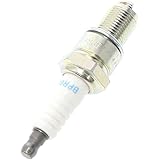
NGK BPR6ES Spark Plug - 4008 | Replaces AR53. Dependable nickel electrodes for cars, marine, and small engines. 20,000-30,000 mile reliable ignition.
$9.63 (as of October 25, 2026 12:22 GMT +00:00 - More infoProduct prices and availability are accurate as of the date/time indicated and are subject to change. Any price and availability information displayed on [relevant Amazon Site(s), as applicable] at the time of purchase will apply to the purchase of this product.)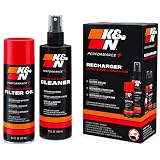
K&N Air Filter Cleaning Kit: Aerosol Filter Cleaner and Oil Kit; Restores Engine Air Filter Performance; Service Kit-99-5000, Multi
$23.99 (as of October 25, 2026 12:22 GMT +00:00 - More infoProduct prices and availability are accurate as of the date/time indicated and are subject to change. Any price and availability information displayed on [relevant Amazon Site(s), as applicable] at the time of purchase will apply to the purchase of this product.)