 By create_admin
Finishing Doesn’t Have to Be Complicated
Many beginners dread the finishing stage because it feels unpredictable. Maybe a stain came out blotchy, or a polyurethane coat left streaks. At TruGrain Workshop, we hear the same concerns over and over — and they all come down to one idea:
Finishing is easier when you choose the right product for the right job.
Some finishes are forgiving. Others require precision. If you’re just starting, choose finishes that give you great results without stress.
Oil Finishes: Simple, Natural, Hard to Mess Up
Oil finishes are the most beginner-friendly option. They bring out the grain, add warmth, and are easy to apply.
Danish Oil
Danish oil is a blend of oil and varnish that penetrates the wood and leaves a light protective film.
Why Beginners Love It
- Wipe it on with a rag
- Wipe off the excess
- Let it dry
That’s it. No streaks, no brush marks.
Best Uses
- Furniture
- Picture frames
- Small decor pieces
Tung Oil
Pure tung oil gives a deeper, richer look and hardens over time.
Pros
- Water-resistant
- Warm amber tone
- Rub-in application
Cons
- Needs several coats
- Longer drying time
Best For
Cutting boards, utensils, and items that benefit from a hand-rubbed finish.
Wipe-On Poly: Durable Without the Complexity
Wipe-on polyurethane solves the biggest beginner problem: brush strokes. Because you apply it with a cloth, it levels naturally.
Why It Works
- Easy application
- Thin coats build slowly and cleanly
- Dries fast
Recommended Product
- Minwax Wipe-On Poly
Best Uses
- Shelves
- Tables
- Benches
- Any surface that sees daily wear
Shellac: The Underrated Classic
Shellac dries almost instantly and creates a warm, vintage look.
Pros
- Forgiving
- Sands easily
- Great for small indoor projects
Cons
- Not very water-resistant
- Should not be used for high-moisture items
Paste Wax: A Soft Final Touch
Wax doesn’t provide much protection by itself, but it adds a smooth, professional feel when applied over another finish.
Best Uses
- Decorative pieces
- Boxes
- Frames
Apply it sparingly and buff to a light sheen.
Stains and Dyes: Color Without Confusion
Beginners often struggle with blotchy stains, especially on softwoods. Here’s how to fix that.
Pre-Stain Conditioner Is Your Friend
Before staining pine, fir, or birch, apply a pre-stain conditioner. It prevents uneven absorption and keeps color consistent.
Water-Based vs Oil-Based Stains
Water-Based
- Dries fast
- Low odor
- Easy cleanup
Oil-Based
- Longer working time
- Richer color depth
Both work well — choose based on your comfort with drying time.
Finishing Steps for Beginners
These simple steps solve 90% of finishing problems:
- Sand to 180 or 220 grit
Anything finer can prevent stains from penetrating. - Remove dust completely
Use a vacuum and tack cloth. - Test your finish on scrap wood
Always. - Apply thin coats
Thick coats create drips and streaks. - Sand lightly between coats
Use 320–400 grit for a smooth surface. - Let finishes dry fully
Rushing causes the most problems.
Common Beginner Mistakes (and Easy Fixes)
- Using too much finish → apply thinner coats.
- Skipping sanding → leads to rough, uneven results.
- Ignoring temperature and humidity → slow drying and tacky surfaces.
- Mixing incompatible products → stick to a single finish type.
Final Thoughts
Finishing is where your project comes alive. With beginner-friendly products like Danish oil, wipe-on poly, and gel stains, you can produce smooth, professional results with minimal risk.
Start simple, learn how your wood reacts, and build your skills from there. A great finish isn’t complicated — it’s consistent.
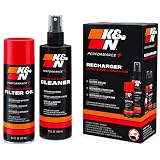
K&N Air Filter Cleaning Kit: Aerosol Filter Cleaner and Oil Kit; Restores Engine Air Filter Performance; Service Kit-99-5000, Multi
$23.99 (as of October 25, 2026 12:22 GMT +00:00 - More infoProduct prices and availability are accurate as of the date/time indicated and are subject to change. Any price and availability information displayed on [relevant Amazon Site(s), as applicable] at the time of purchase will apply to the purchase of this product.)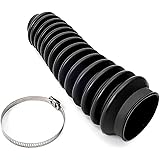
Rough Country Shock Boot - Black Protective Cover with Stainless Steel Clamp, Guards Against Mud, Dust & Debris, Universal Fit for Most Shocks
$5.95 (as of October 25, 2026 12:22 GMT +00:00 - More infoProduct prices and availability are accurate as of the date/time indicated and are subject to change. Any price and availability information displayed on [relevant Amazon Site(s), as applicable] at the time of purchase will apply to the purchase of this product.)
NGK BPR6ES Spark Plug - 4008 | Replaces AR53. Dependable nickel electrodes for cars, marine, and small engines. 20,000-30,000 mile reliable ignition.
$9.63 (as of October 25, 2026 12:22 GMT +00:00 - More infoProduct prices and availability are accurate as of the date/time indicated and are subject to change. Any price and availability information displayed on [relevant Amazon Site(s), as applicable] at the time of purchase will apply to the purchase of this product.)
CTEK (56-304) Comfort Connect Extension Cable, 8.2 Feet
$27.15 (as of October 25, 2026 12:22 GMT +00:00 - More infoProduct prices and availability are accurate as of the date/time indicated and are subject to change. Any price and availability information displayed on [relevant Amazon Site(s), as applicable] at the time of purchase will apply to the purchase of this product.)
Holley 135-10 Carburetor Diaphragm
$16.93 (as of October 25, 2026 12:22 GMT +00:00 - More infoProduct prices and availability are accurate as of the date/time indicated and are subject to change. Any price and availability information displayed on [relevant Amazon Site(s), as applicable] at the time of purchase will apply to the purchase of this product.)
K&N Oil Filter: 20,000 Mile Engine Protection with Wrench Off Nut, HP-1004 | Compatible with Select 1988-2026 HYUNDAI/KIA/SUBARU/HONDA Vehicle Models (See Product Description for Select Models)
$15.99 (as of October 25, 2026 12:22 GMT +00:00 - More infoProduct prices and availability are accurate as of the date/time indicated and are subject to change. Any price and availability information displayed on [relevant Amazon Site(s), as applicable] at the time of purchase will apply to the purchase of this product.)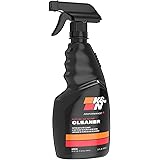
K&N Air Filter Cleaner and Degreaser: Power Kleen; 32 Oz Trigger Spray; Restore Engine Air Filter Performance, 99-0621
$17.99 (as of October 25, 2026 12:22 GMT +00:00 - More infoProduct prices and availability are accurate as of the date/time indicated and are subject to change. Any price and availability information displayed on [relevant Amazon Site(s), as applicable] at the time of purchase will apply to the purchase of this product.)