By create_admin
The Hidden Power of Jigs
At TruGrain Workshop, we consider jigs one of the smartest investments a woodworker can make. Tools get most of the attention, but jigs are what make tools accurate. They guide cuts, stabilize workpieces, and help you repeat results across multiple pieces. A good jig doesn’t just improve a project — it improves the woodworker.
Even better, many jigs are easy and inexpensive to build yourself. Once you understand the fundamentals, you’ll start creating jigs that match your style of work.
Here are the five jigs we believe every woodworker should have in their shop.
1. The Crosscut Sled: Your Table Saw’s Best Friend
If you own a table saw, a crosscut sled is the first jig you should build. It offers safety, accuracy, and confidence — the three things beginners struggle with most.
Why It Matters
- It eliminates wobble when cutting wide boards.
- The workpiece is fully supported.
- The blade becomes enclosed, reducing tearout.
- It keeps hands farther from the blade.
This jig gives you glue-ready, square cuts every time.
Best Uses
- Cabinet parts
- Drawer components
- Picture frames
- Cutting small parts safely
Building Tips
Use quality plywood for the base and runners that fit your table saw’s miter slots snugly. Add a high, stiff fence to support long boards.
2. Drill Press Fence: Precision Holes Every Time
The drill press is one of the most accurate tools in the shop, but only if your workpiece is held consistently. A drill press fence solves that problem.
Why It Helps
- It keeps holes centered.
- It helps you drill identical holes on multiple pieces.
- It lets you attach stop blocks for repetitive spacing.
Best Uses
- Shelf pin holes
- Dowels
- Mortises with a Forstner bit
- Hardware installation
A simple fence made from plywood and T-track can take your drill press from a rough drilling tool to a precision machine.
3. Router Straightedge Guide: Clean, Professional Cuts
A router without a guide is like a pencil without a ruler. A straightedge guide helps you cut dados, grooves, rabbets, and edges that look professionally machined.
Why It’s Essential
- Routers remove material quickly; the guide keeps them controlled.
- It replaces the need for expensive specialty bits.
- It works with both handheld and plunge routers.
Best Uses
- Bookshelf dados
- Cabinet grooves
- Straight trimming
- Pattern routing
A straightedge guide often becomes one of the most-used items in a shop because it’s so reliable and flexible.
4. Pocket Hole Jig: Beginner-Friendly Joinery That Holds
Pocket hole joinery has taken over the DIY world for good reason. It’s simple, strong, and requires almost no advanced skill.
Why We Recommend It
- Perfect for beginners who want fast results.
- Great for projects that need hidden joinery.
- Excellent for face frames and cabinet assembly.
Pocket hole screws act like clamps, letting beginners assemble furniture quickly without fussing with complex joints.
Recommended Tool
- Kreg 720PRO — Durable, accurate, and easy to use.
Best Uses
- Shop furniture
- Cabinets
- Tables
- Frames
If you’re just getting started, this jig will help you build confidence fast.
5. Tapering Jig: Add Style Without Complexity
Tapered legs appear in nearly every style of furniture. A tapering jig lets you cut those angled shapes on a table saw safely and accurately.
Why It Matters
- Ensures both legs match perfectly.
- Keeps your hands away from the blade.
- Produces smooth, consistent cuts.
Best Uses
- Mid-century table legs
- Decorative aprons
- Chair components
Build vs. Buy
You can build a simple tapering jig from plywood, but store-bought versions are adjustable and more convenient.
Bonus Jigs Worth Considering
If you have the basics covered, consider adding these jigs to your shop:
- Spline jig for strengthening miter joints
- Tenon jig for furniture joinery
- Circle-cutting jig for routers
- Box joint jig for decorative joints
These expand your capabilities even further.
How Jigs Make Woodworking Safer
Many accidents happen when wood shifts during cutting or drilling. Jigs improve safety by:
- Holding work firmly
- Guiding tools to prevent kickback
- Keeping hands away from blades
- Reducing awkward tool movements
A good jig keeps your focus on craftsmanship, not danger.
Final Thoughts
Jigs elevate your woodworking by giving you repeatability, precision, and safety. Whether you buy them or build them yourself, they help you get more out of your tools and produce results that look polished and professional.
If you’re building your first shop, start with the crosscut sled and pocket hole jig. They’ll transform your accuracy overnight and boost your confidence faster than any power tool upgrade.
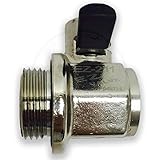
EZ (EZ-211) Silver 27mm-2.0 Thread Size Oil Drain Valve
$32.95 (as of October 25, 2026 12:22 GMT +00:00 - More infoProduct prices and availability are accurate as of the date/time indicated and are subject to change. Any price and availability information displayed on [relevant Amazon Site(s), as applicable] at the time of purchase will apply to the purchase of this product.)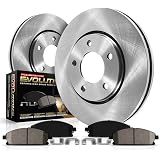
PowerStop Z17 Replacement Brake Pad & Rotor Kit Front KOE1043 | Honda CR-V, Honda Accord, Civic Ceramic Brake Pads + Disc Rotors
$95.99 (as of October 25, 2026 12:22 GMT +00:00 - More infoProduct prices and availability are accurate as of the date/time indicated and are subject to change. Any price and availability information displayed on [relevant Amazon Site(s), as applicable] at the time of purchase will apply to the purchase of this product.)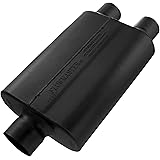
Flowmaster 40 Series Chambered Muffler – 3.00" Center In / 2.50" Dual Out | Original 40 Series, aggressive sound, 16-gauge aluminized steel, for muscle cars, street rods, trucks, and SUVs (430402)
$101.95 (as of October 25, 2026 12:22 GMT +00:00 - More infoProduct prices and availability are accurate as of the date/time indicated and are subject to change. Any price and availability information displayed on [relevant Amazon Site(s), as applicable] at the time of purchase will apply to the purchase of this product.)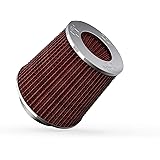
K&N High-Flow Original Lifetime Universal Clamp-On Air Filter: High Performance, Premium: Flange Diameter: 4 In, Filter Height: 5.5 In, Flange Length: 1.125 In, Shape: Round Tapered, RG-1001RD
$39.99 (as of October 25, 2026 12:22 GMT +00:00 - More infoProduct prices and availability are accurate as of the date/time indicated and are subject to change. Any price and availability information displayed on [relevant Amazon Site(s), as applicable] at the time of purchase will apply to the purchase of this product.)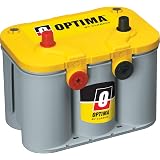
OPTIMA® Batteries High Performance D34/78 YELLOWTOP® Sealed AGM Battery | Dual Purpose Car, Truck and SUV Battery, 750 CCA, Dual Terminal, Maintenance Free, Versatile Mounting
$319.99 (as of October 25, 2026 12:22 GMT +00:00 - More infoProduct prices and availability are accurate as of the date/time indicated and are subject to change. Any price and availability information displayed on [relevant Amazon Site(s), as applicable] at the time of purchase will apply to the purchase of this product.)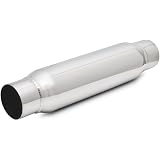
Vibrant Performance 1792 Bottle Style Resonator
$74.15 (as of October 25, 2026 12:22 GMT +00:00 - More infoProduct prices and availability are accurate as of the date/time indicated and are subject to change. Any price and availability information displayed on [relevant Amazon Site(s), as applicable] at the time of purchase will apply to the purchase of this product.)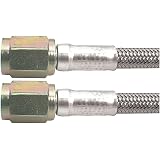
Allstar Performance AN Hose Assembly, 18 in Long, 3 AN Hose, 3 AN Straight Female to 3 AN Straight Female, Braided Stainless, PTFE Lined, Each
$12.99 (as of October 25, 2026 12:22 GMT +00:00 - More infoProduct prices and availability are accurate as of the date/time indicated and are subject to change. Any price and availability information displayed on [relevant Amazon Site(s), as applicable] at the time of purchase will apply to the purchase of this product.)